
Why We Heal Better Together: The Power of Community in Winter Months and the Seasons Ahead
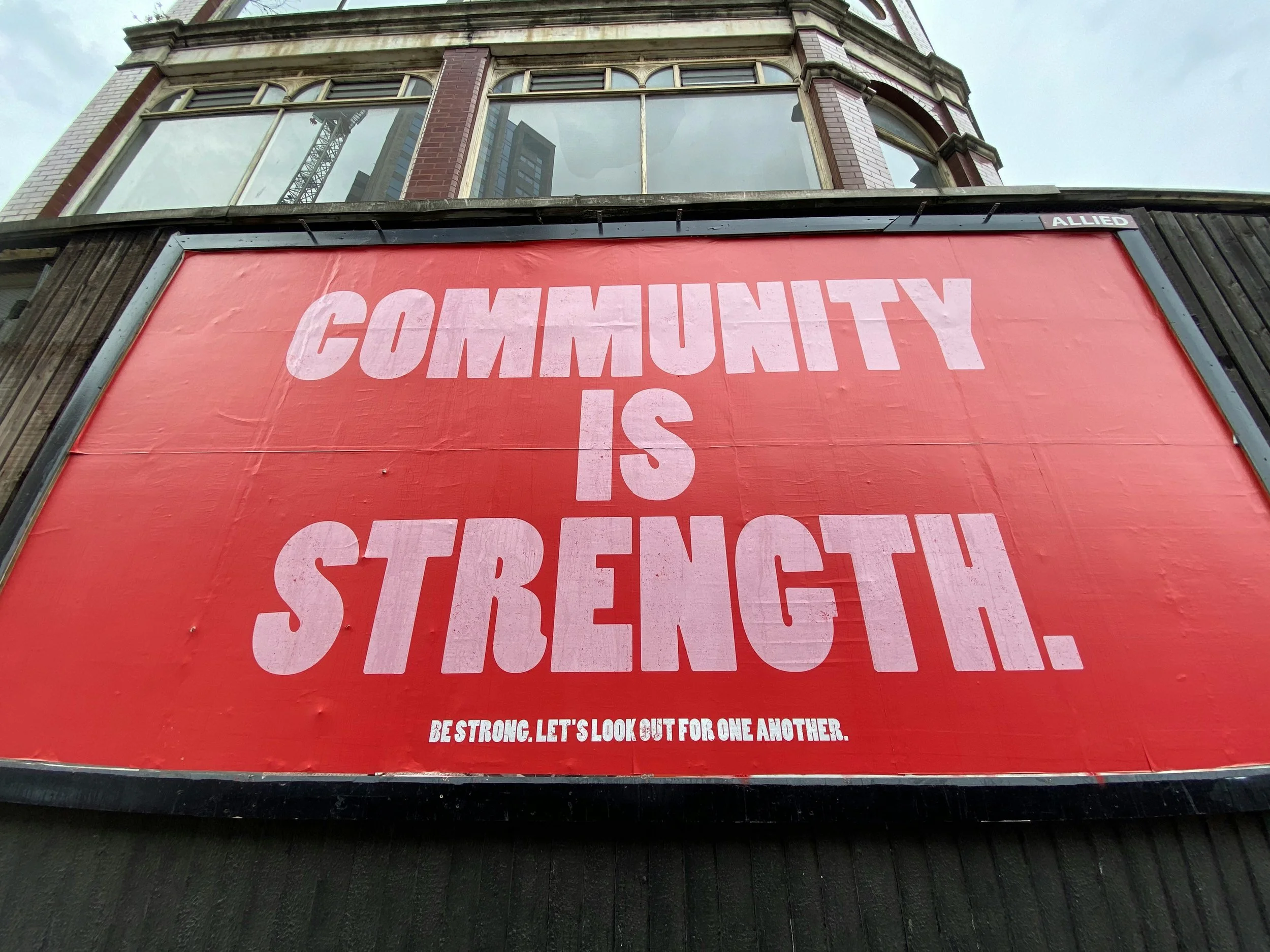
Photo by John Cameron on Unsplash
As the days grow shorter and the air turns colder (on certain days in Texas!), many of us notice subtle shifts inside ourselves. We may feel more tired, more withdrawn, or a little less connected to our sense of ease. Winter naturally invites slowing down—but for many, it’s hard to find a quieter pace that doesn’t also amplify feelings of loneliness, overwhelm, or emotional heaviness. Or sometimes, you don’t feel invited by the season to slow down at all, and the constant busyness leaves you feeling restless, stressed, and disconnected from self and others. This is where community becomes essential.
Winter Can Magnify Isolation
When the world gets darker earlier, our nervous systems often respond with a heightened need for safety and connection. Humans are wired for warmth—emotional and relational as much as physical. Without regular moments of shared presence, it’s easy for worry, stress, or old patterns to settle in more deeply.
Why Group Connection Matters More Now
Group therapy and community-based experiences offer something uniquely healing: the reminder that we are not alone. Sitting with others who are navigating their own challenges helps normalize the messy parts of being human. When we share space with people who listen without judgment, our bodies often soften. Our breath deepens. Our internal load feels lighter. This isn’t accidental—it’s biological.
The Power of Co-Regulation
Being with grounded, empathetic others helps regulate our nervous systems. In a safe group space, we begin to mirror calmness, openness, and emotional steadiness. Our system receives the message: You’re okay. You don’t have to hold this all by yourself. Over time, this co-regulation builds resilience and a deeper capacity to navigate life’s fluctuations.
Group Therapy for Children & Teens (3rd-12th Grade): Growing Together Through Shared Experiences
Kids and teens often feel the seasonal shifts even more intensely. Changes in routines, school pressures, social dynamics, holidays, and long breaks can all stir up anxiety, irritability, or a sense of loneliness. Group therapy offers them a place where they don’t have to carry those feelings alone.
Why Group Spaces Matter for Young People
Shared language and experiences: Hearing “me too” from peers is powerful at any age, but especially for kids and teens who often believe they’re the only ones feeling a certain way.
Practicing connection in real time: Groups give them a safe space to try out communication skills, boundary-setting, and emotional expression with guidance and support.
Regulation through relationship: Kids regulate first through co-regulation. Feeling calm, welcomed, and understood by group leaders and peers helps their nervous systems settle.
Building resilience and confidence: When young people learn they can show up authentically and still belong, something deep shifts. Their capacity to handle stress and challenge grows.
What This Looks Like in Practice
Group sessions may include:
Collaborative games and shared problem-solving
Somatic exercises that help them recognize “what calm feels like”
Peer discussions about friendships, stress, or identity
Reflection on what connection, kindness, or courage look like
Rituals—like weekly check-ins—that help provide an anchor and grounding
These experiences help kids and teens build emotional tools they can take back into school, friendships, and home life.
For Adults: Building Community in Meaningful, Sustainable Ways
Adults often carry the quiet belief that they should “handle things on their own.” But winter tends to reveal how deeply we need each other. Therapy and intentional community experiences give adults a place to slow down, be witnessed, and reconnect with themselves through others.
How Adults Benefit from Community Spaces
Collective wisdom: Hearing how others navigate similar struggles helps reduce shame and broadens perspective.
Permission to soften: When one person allows themselves to be vulnerable, the room often follows—creating a shared sense of safety.
Regulation through presence: Being around people who breathe deeply, ground themselves, and respond with empathy literally calms the body.
Belonging without performing: Groups invite adults to show up as they are—no masks, no pressure to have it all together.
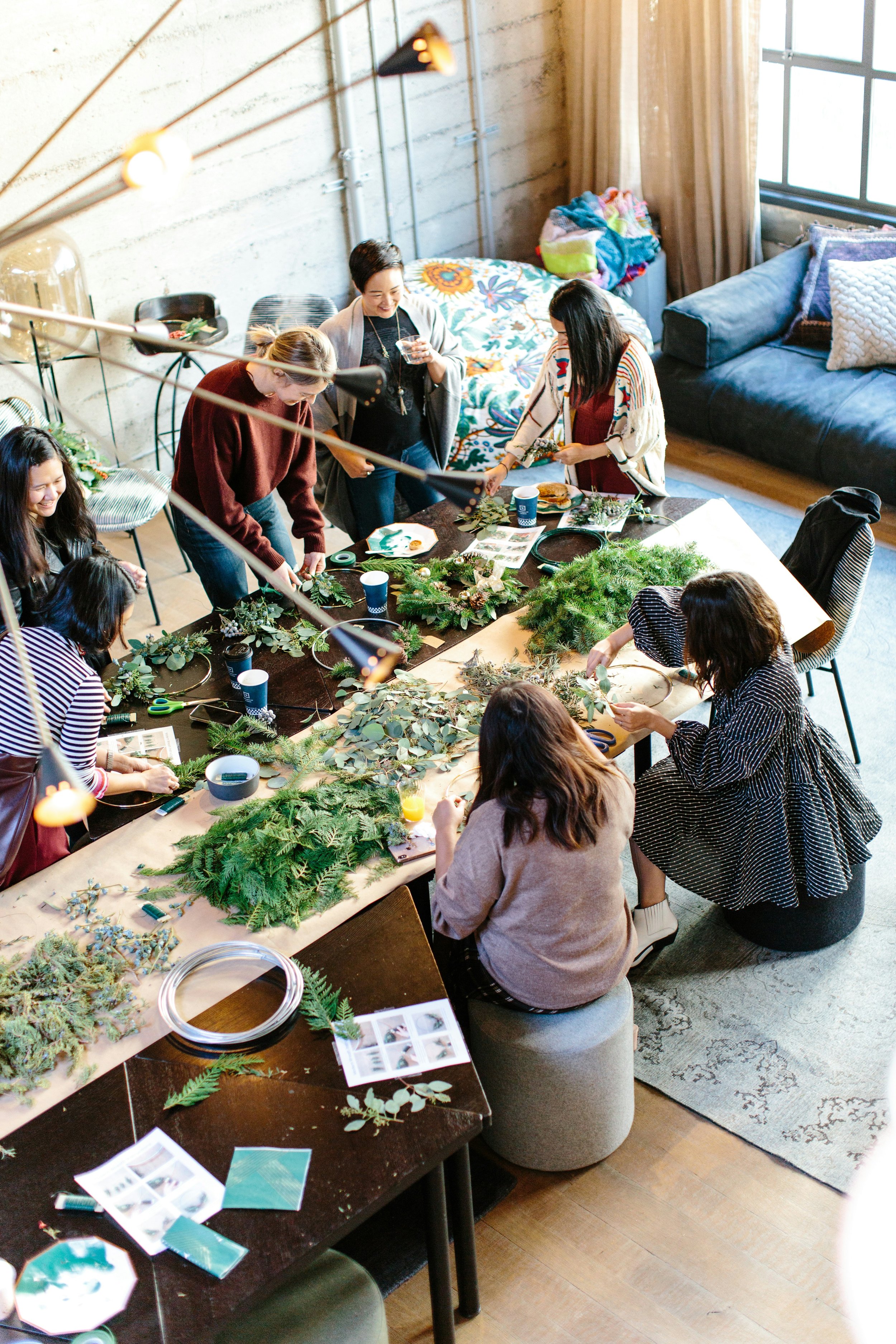
Photo by Hillary Ungson on Unsplash
Ways Adults Can Build or Rebuild Community (In ALL SEASONS)
Join a therapy or support group that aligns with your current needs.
Create small rituals with others: monthly dinners, reflective gatherings, shared walks, creative meetups.
Invite co-regulation into your relationships—slow conversation, mindful listening, shared breaths.
Seek out spaces where mutual care and emotional honesty are the norm.
Community doesn’t have to be big to be meaningful. Two or three people committed to connection can be just as powerful.
Looking Ahead to the Coming Seasons
Winter won’t last forever, and neither will the phases of life that feel cold or isolating. Participating in group work now—whether you’re 8 or 18 or 48—plants seeds for future growth. The skills you build in community, the regulation you practice, and the relationships you form become inner resources you carry into brighter seasons ahead. Healing doesn’t have to be done alone. In fact, we heal better—warmer, steadier, and more fully—when we heal together.